Night picking stopped being the bottleneck
A three-shift warehouse cannot afford to stop being a warehouse. Twelve autonomous movers went in around the existing racking, one aisle at a time, while the pickers kept picking — and the night shift came out 61% ahead on throughput with the same headcount.
The problem
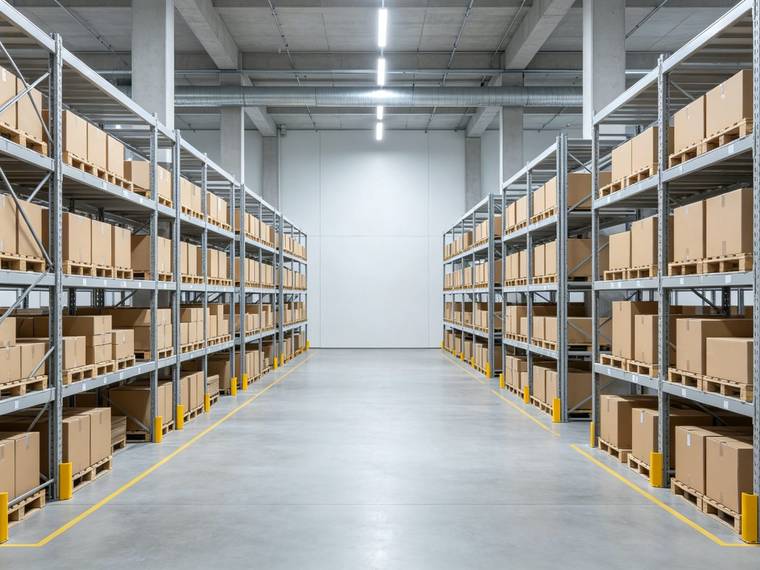
Every order at Northline was still picked by a person walking to the shelf, and the walk was most of the job. Night shift averaged 14 kilometres per picker, and the last two hours of the shift were measurably slower than the first two: the work was not hard, it was tiring.
The obvious answer — a new automated storage system — was rejected on two grounds. It would have meant a year of construction, and it would have meant throwing away racking that had been paid for and was still perfectly serviceable.
What we shipped
Twelve low-profile AMRs that carry a shelf to the picker instead of a picker to the shelf, threaded through the aisles that already existed.
- Retrofit — no racking was moved. The robots navigate the existing aisle width, including the two aisles that are narrower than the rest.
- Cutover — one aisle per week. Each conversion ran a full night shift in parallel with the old method before the next aisle closed for fitting.
- Ergonomics — pick stations were built at waist height so the team stopped bending to the bottom shelf, which was the single largest source of sick days.
- Fallback — if the fleet stops, the aisle is still walkable in ninety seconds. Nothing about the layout depends on the robots working.
The last aisle was converted nine weeks after the first, with no night of lost throughput and no customer order shipped late because of the changeover.
The result
Night throughput is up 61% against the same headcount, and the drop-off in the last two hours of a shift has gone: the walk was what made people tired, and the walk is what the fleet does now.
Two pickers moved from nights to days rather than being replaced. The operations director's summary was shorter than ours: "Nobody's shift got harder."
Working on something like this? Talk to an engineer