
A container terminal that turns 18 AGVs into one lane plan
Container terminals run on a promise: the crane never waits for a truck. Adding autonomous vehicles to that promise is not a robotics problem, it is a scheduling one. Eighteen new agents competing for the same quay lanes as forty human drivers who have worked them for years — and not one berth closed to make room.
The problem
Peak berth windows are three hours long and unforgiving. A straddle carrier that arrives four minutes late costs the crane a lift, and a crane that misses a lift pushes the whole vessel schedule. The terminal had already squeezed what it could out of the manual fleet — the remaining variance was in the handover between truck and yard, not in the driving.
What the operations team would not accept: a dedicated autonomous zone. Every square metre of quay was already earning, and a fenced-off fleet would have meant a new layout, a new safety case and a year of construction before the first container moved.
What we shipped
Eighteen AGVs on the existing lanes, a scheduling layer that treats human trucks as first-class citizens, and a safety case built around mixed traffic rather than separated traffic.
- Fleet — 18 AGVs with LiDAR-primary localisation, because the terminal loses GPS under the ship-to-shore cranes.
- Scheduling — one lane plan for every vehicle, human or autonomous, re-planned every 4 seconds against live crane demand.
- Safety — human trucks keep right-of-way by default; the fleet yields on approach and never overtakes inside a crane's working radius.
- Rollout — six units, then twelve, then eighteen. Each increment ran a full peak window before the next was released.
The whole deployment happened against live berth schedules. No berth closed, no vessel was re-slotted, and the first AGV completed a handover 11 hours after the first power-on.

The result
Six months after the eighteenth unit went live, truck turnaround is down 38% — most of it from the handover, not the driving. The terminal now runs a mean of 1.9 minutes between a truck arriving at a lane and the crane starting its lift, against 3.1 minutes before.
The number the operations manager quotes is different. Zero. No safety incident involving the fleet in 14 months, including two typhoon shutdowns and one full power failure that left the AGVs to bring themselves to a stop in the dark.

On site
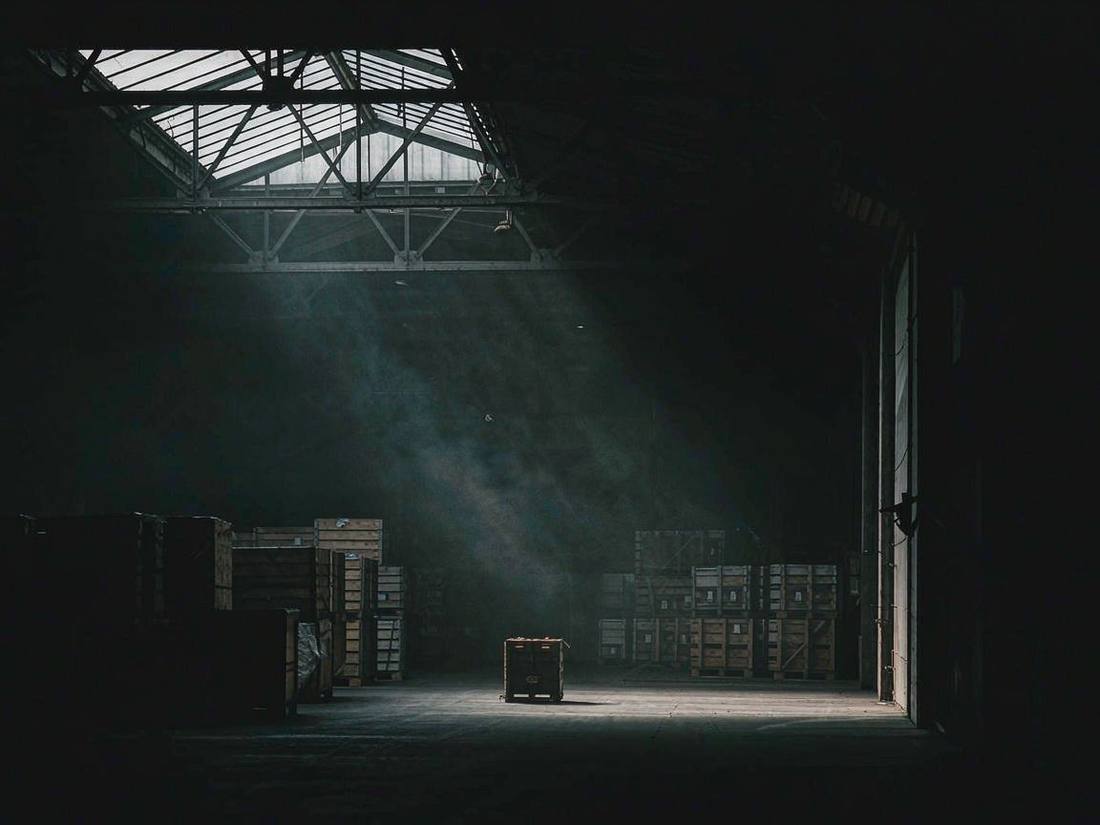
The last two frames are the argument without a caption: a packing bench that used to need four people, and the same hall at 03:00 where the only thing moving is the fleet, checking that nothing moved.

Working on something like this? Talk to an engineer